Scripture: Acts 16:1–16
I’m happy to share that this weekend we had a wonderful memorial service here at the church in the downstairs chapel. The service remembered and celebrated church member Frederika Athanas who died in April 2023.
Many of you who were here in 2023 will remember that at the time, that spring, there was a formal memorial service here at the church for Frederika .
So, in essence, yesterday we held a second memorial service.
The backstory of why there was a second service is that in 2023, several of Frederika’s close family members couldn’t attend her memorial service. And so they recently had the idea to have another service to share family stories with those who were not there the first time. I was moved by the fact that they could have gathered at a home, or a restaurant, or at a park to remember Frederika — but they wanted the service at this church — Frederika’s church — to help invite a sacred tone and invite God to add another layer to their remembrance.
This second memorial service was different from the first. It was only family and childhood friends in attendance. And as we planned this second service, which was very different from the first, it helped me see this morning’s scripture reading in a different light, because Paul and Silas and the other Apostles that we read about in Acts are part of their own kind of second service.
In the Bible, Jesus is the firstfruits — the original healer and friend to outcasts. He sets the pattern for a new form of religious practice in opposition to the dominant Roman religious beliefs of his time. Paul and Silas and the other early church folk are the second wave, those who are defining and formalizing the faith by doing things for a second time. As they travel around the Mediterranean supporting Christian communities, they are modeling their lives on Jesus, and figuring out what it means for them to do what Jesus did.
I think three things about Frederika’s second service can help us appreciate today’s scripture reading about the second wave of Christians, Paul and Silas.
First. Powerful things happen when we tell the truth.
Frederika’s friends told wonderful stories about her.
Apparently one of her favorite pastimes as a child with the other kids in the neighborhood was rolling old tires down a hill near their house. Some of the tires, it was said, may have crossed paths with moving automobiles — inciting ultimate glee in Frederika.
She was also known for always having the first snowball of the season. She would take snow in late winter and put it in the family freezer to be ready for the start of next winter. Some remembered, wistfully, that first snowball as being as hard as a rock.
It was apparent in the stories that Fredericka had a rebel’s spirit. In these stories, her grandkids got to appreciate the fullness of their loved one, mischievous and loving. She was also remembered for appearing unexpectedly in friends’ hospital rooms to visit them. Even though she was blind, she made a way for her friends. She was a rebel, both generous and compassionate.
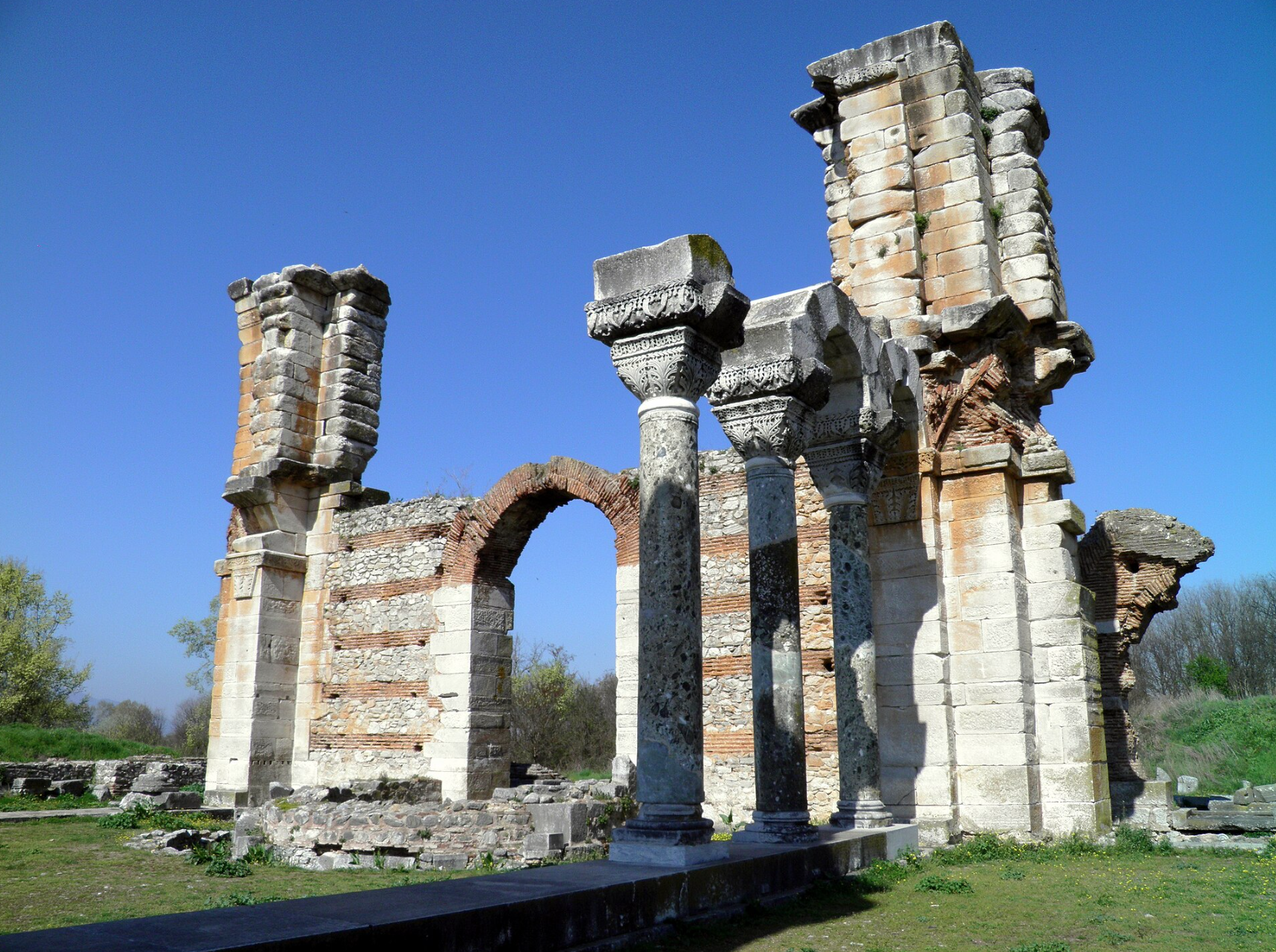
Paul and Silas are like this too. This story in Acts shows that they were rebels who were not perfect. We learn that they are put in jail for being Christians who annoyed local business owners in Phillipi — they originally came to the attention of community leaders for “healing” a young woman who had the power of divination and future-telling. In their act of healing, they take away something that is unique and powerful about this woman. Societies have a way of doing this to people who don’t conform to the norm. And we might have thought that Paul and Silas would have appreciated this fact more than most. But they don’t. This detail of the story is hiding in plain sight for us to grapple with.
Because the writer of Acts has told the truth and shown Paul and Silas as they make decisions about the lives of those without power in the society where they are ministering, it feels like we can appreciate them even more when they get thrown into jail and go on to do things that are noble and good. They are fully formed and complex people, like us.
Which leads up to a second insight. Be a force for good.
As a rebel, Frederika had a gift. As a high schooler with huge energy, she was performed as the Attleboro High School mascot during high school basketball halftime show, wearing a huge costume of the Blue Bombardier, getting the crowd ready to cheer on her classmates. As an adult, she was a constant presence at East Providence city council meetings, advocating for accessibility and affordability policies.
Paul and Silas use their gifts too. They sing loud songs and pray to God while in jail. Even when the possibility of escaping from their imprisonment comes to them, they stay put in order to keep the jailer from getting into trouble for losing the people in his charge — this unexpected turn of events creates the opportunity to befriend the jail keeper, whose whole family become followers of Jesus, and become the foundation of a new church in Philippi.
With the right spirit, a difficult situation becomes an opportunity for something good to happen.
Third. Lives of faith sometimes means refusing to play by the empire’s rules
The story of the jail in Philippi is the founding story of a new church community.
The second generation of Christians seem to have been do-gooding troublemakers. Not troublemakers for the same of making trouble, but making trouble for the sake of trying new things and gaining attention for being social transformers — creating the conditions for new life in the context of the Roman empire’s moral emptiness and crushing weight.
Even thousands of years later, we are still part of this second generation of Christians, making good trouble, creating the conditions for human flourishing, and trying to figure out what it means to learn from what Jesus did, and do likewise. We take inspiration from the people in our midst like Frederika who let their faith and rebellious spirit lead them, and create a path for others to follow.
Paul and Silas proclaim the good news and do God’s work in new ways. They are imperfect. They make bad decisions. But they also do wonderful things.
May we be likewise. May we do likewise. Jesus in the firstfruits, and we are still following on the way.
Amen.

